Exchange Rate Dynamics Transforming Redemption Opportunities in Worldwide Mobile Transaction Platforms
Viktor Long · Nov 19, 2026
Exchange Rate Dynamics Transforming Redemption Opportunities in Worldwide Mobile Transaction Platforms
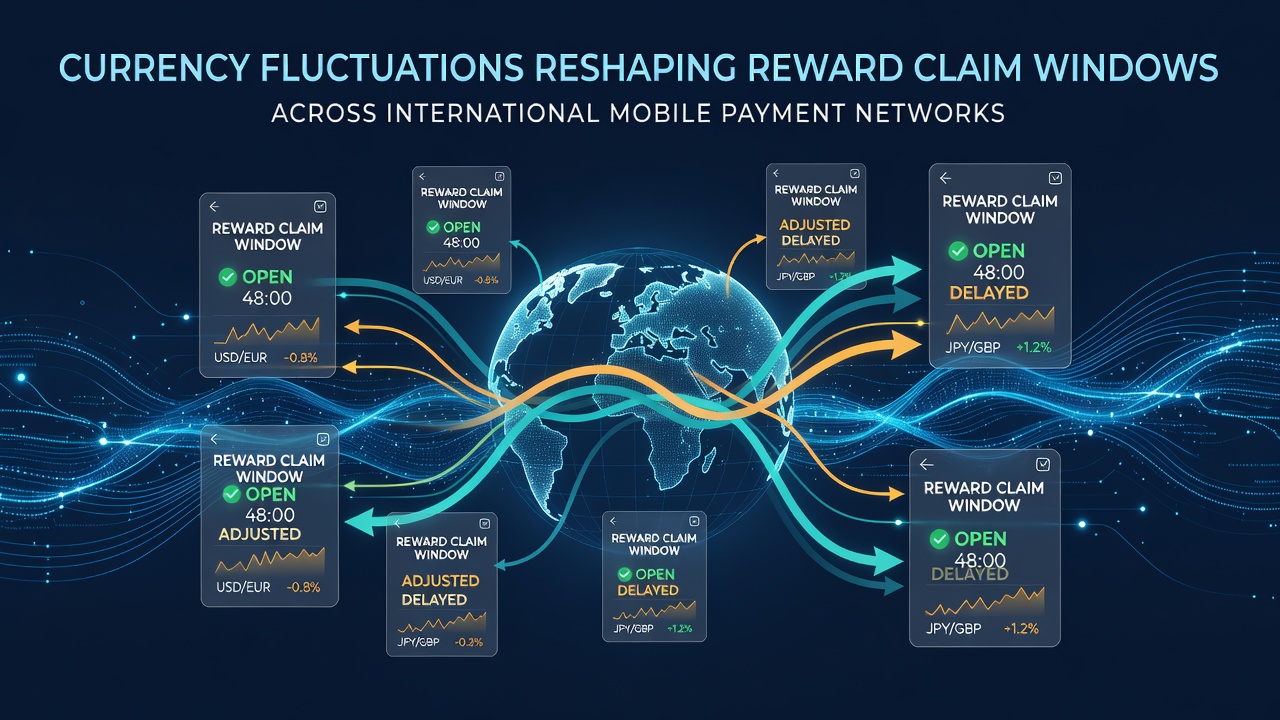
Global financial networks continue to experience volatility that directly alters how users access loyalty rewards through mobile payment systems, and observers note these shifts have accelerated since early 2025. Data released in November 2026 from the European Central Bank shows major currency pairs fluctuated by an average of 4.8 percent month-over-month, forcing payment processors to adjust claim windows for cross-border redemptions in real time. Researchers at financial technology firms have documented how these adjustments create shorter or extended eligibility periods depending on the direction of rate movements, particularly when users attempt to convert points earned in one currency into goods or services priced in another.
Mechanics Behind Claim Window Adjustments
Payment platforms such as those operated by international card networks and digital wallet providers recalculate redemption thresholds daily, and this practice stems from live foreign exchange feeds that feed directly into backend algorithms. When the euro strengthens against the dollar, for instance, a reward valued at 500 points might require fewer units to claim because the underlying currency conversion yields higher purchasing power, yet the same movement can push claim deadlines earlier if the system detects potential arbitrage opportunities. Industry reports compiled by the Bank for International Settlements indicate that over 62 percent of mobile payment providers implemented automated window compression protocols during the second half of 2026 to mitigate exposure from rapid rate swings.
Regional Variations in Policy Responses
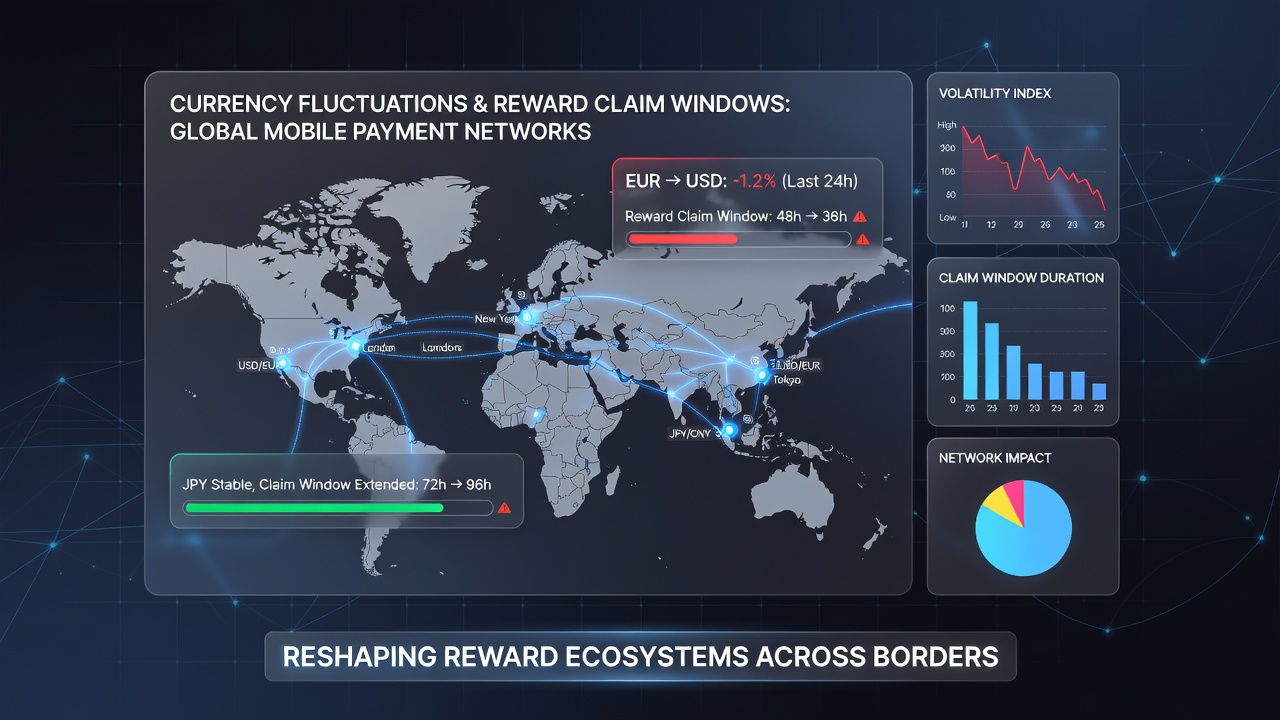
North American networks tend to extend claim periods by 24 to 48 hours during periods of high volatility, while Asian-Pacific operators shorten them to limit risk, according to figures from the Bank of Canada released in late 2026. These divergent approaches arise because regulators in different jurisdictions prioritize distinct stability metrics, with Canadian authorities focusing on consumer protection and Singaporean counterparts emphasizing systemic safeguards. Users in Australia have encountered claim windows that reset at midnight local time whenever the Australian dollar moves more than 1.5 percent against the yen, a rule tied to data from the Reserve Bank of Australia that tracks transaction volumes across mobile channels.
One study from a European research consortium revealed that reward claim success rates dropped by 19 percent in markets where windows contracted without prior notice, prompting several providers to introduce notification systems that alert users 12 hours before adjustments take effect. The same research highlighted how these notifications now incorporate predictive models that forecast rate movements based on macroeconomic indicators published by central banks across multiple continents.
Impact on User Behavior and Network Infrastructure
Transaction logs analyzed by payment processors demonstrate that users increasingly time their redemptions around anticipated rate announcements, and this pattern became pronounced after the International Monetary Fund published updated volatility forecasts in October 2026. Mobile applications now embed real-time exchange rate tickers within reward interfaces, allowing individuals to monitor thresholds before committing points. Infrastructure upgrades rolled out during 2026 include distributed ledger components that record each rate snapshot at the moment a claim window opens, thereby creating audit trails that satisfy regulatory requirements in the European Union and Canada simultaneously.
Observers tracking these developments point to increased integration between mobile payment gateways and currency hedging instruments, where providers automatically lock in favorable rates for high-volume users during periods of stability. Data from the World Bank indicates that emerging markets experienced the sharpest changes, with claim windows in Latin American networks varying by as much as 72 hours week-to-week when local currencies depreciated rapidly against the dollar. Such variability has led several governments to mandate minimum notice periods for window modifications, ensuring consumers receive at least six hours of advance information before any alteration occurs.
Technical Adaptations Across Payment Ecosystems
Engineers at major mobile payment firms have incorporated machine learning models that predict claim volume spikes tied to currency movements, and these models draw on historical datasets spanning 2023 through November 2026. The algorithms adjust window durations dynamically while maintaining compliance with data protection standards enforced by authorities in multiple regions. Partnerships between payment networks and telecommunications companies have further enabled location-based rate alerts that activate when users cross borders, reducing instances where individuals miss optimal redemption moments due to outdated information.
Case examples documented by academic researchers at universities in Canada and Australia show that smaller fintech platforms without robust hedging capabilities often pass volatility costs directly to users through compressed windows, whereas larger operators absorb portions of the risk to retain market share. These differences illustrate how infrastructure scale influences the ability to maintain consistent user experiences amid ongoing exchange rate pressures.
Conclusion
Currency fluctuations continue to drive structural changes in how reward claim windows operate across international mobile payment networks, with November 2026 marking a period of accelerated adaptation as providers refined their response mechanisms. Regulatory bodies from various regions have introduced measures that balance consumer access with financial stability, while technical innovations have enabled more precise timing adjustments based on live market data. The resulting landscape features greater transparency through notifications and predictive tools, yet regional differences persist in how networks manage the interplay between exchange rates and redemption eligibility. Continued monitoring by institutions such as the Bank for International Settlements and the World Bank will likely shape future refinements in these systems.